Table Of Content

The cascading stems droop down and grow up to 3 or 4 ft. (1 – 1.2 m) long. One of the beauties of this hanging basket plant is that it grows well in low to medium light. With occasional watering, you can have this lush indoor plant filling up vertical space.
Stunning Houseplants With Large Leaves [Photos]
If the idea of caring for a big-leaf plant seems intimidating, be assured that it's not so different from maintaining any other plant. That's true for any houseplant, but especially for big-leaf plants. Croton is another famous shrub with a wide variety of beautifully colored broad leaves growing up to 12 inches long. Leaf styles include twisted or large oval foliages, while leaf patterns may range from brightly colored spots to green with white, pink, and yellow designs. It can tolerate both low light and direct sun but prefers bright filtered sunlight indoors to preserve its foliage.
Banana tree
Turn your home into an indoor jungle oasis with these stately houseplants. Many people in the tropics grow them in their gardens as it’s a hassle-free plant. One thing to note is that, after watering, the Alocasia leaks water from the edges of the leaves. Make sure not to place it close to wooden furniture or flooring, to avoid any unexpected damage to them.
Rubber Tree
Put in a spot in an office or room that gets a decent amount of indirect light. Dumb cane can grow 3 to 10 feet tall and features pretty green leaves with streaks of cream, yellow, and white, so it tends to stand out among many other houseplants. However, it’s toxic, so it’s best left out of households with pets and small children who might eat the leaves.
They like bright, filtered light, moist soil, high humidity, and warm temperatures. With the big leaves splashed with cream and pink, like the rubber plant Ruby and the Tineke. Surrounded by all that sun-dappled greenery, chances are you came out feeling calmer, more serene, and more, well, you.
Learn to grow.
Best pet-safe indoor plants: 10 house plants to keep - Homes & Gardens
Best pet-safe indoor plants: 10 house plants to keep .
Posted: Mon, 21 Nov 2022 08:00:00 GMT [source]
Fertilize a banana tree once every 2-3 months for healthy growth, and watch out for pests like mealybugs and spider mites that often ride home from the nursery. Generally, plants with large leaves are adapted to humid rainforest climates. They can vary from cold rainforests to warm ones, but most indoor plants with large leaves are considered tropical. This big beauty thrives in warm environments ranging from 75 to 95°F.
While it will add natural beauty to any space, banana plants will not produce fruit when kept indoors. With their massive foliage, these houseplants have a visible presence and desired greenery in your spaces. They can easily act as a focal point to your spaces, creating good feng shui, while also infusing your space with the right energy and atmosphere.
Huge Houseplants That Make a Statement
They have lovely white flowers that bloom three times a year, in late summer/early fall, winter, and early spring. Be aware that they also produce a white or yellow sap that is toxic when consumed and should not come into contact with skin. Anthurium includes 1500 species, all with erect petioles and heart-shaped green shiny leaves of varying sizes. Its foliage has prominent veins spreading 8-12 inches to maturity, while the whole plant can reach 2-3 feet. The leaf blades turn pink when exposed to direct sunshine, giving them some personality. Sansevieria masoniana do well under dappled direct sunlight and shade, as well as indirect light.
Increase Humidity And Oxygen Level
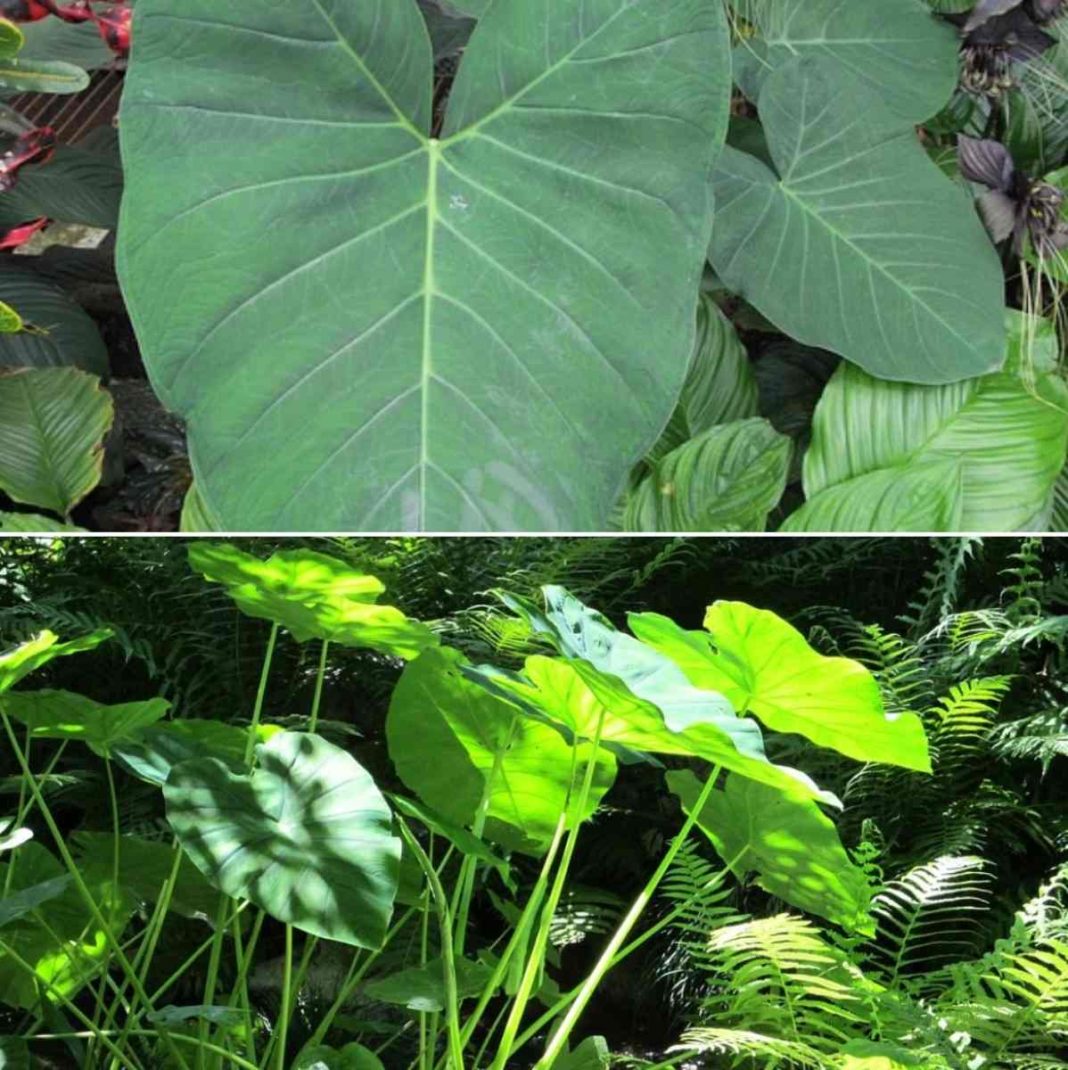
The elephant ear plant should only be watered when the soil feels dry and needs watering. A common problem for this type of indoor plant can be getting them too wet, which causes root rot issues. In its native habitat, monstera can reach 70 feet tall, while most home cultivation keeps it at 6-8 feet.
The Spruce recommends wiping the leaves regularly, so the plant can "breathe." Big-leaf houseplants often hail from tropical regions, so they crave sufficient indirect sunlight. Find a well-lit spot in your home, but be cautious of exposing them to harsh, direct sunlight, since this might scorch their delicate foliage. Although this plant makes a part of the list of big-leaf indoor plants, it is a very rare kind, making it a true green gem to have in your space. This magnificent large-leafed type of philodendron known as Philodendron Gloriosum has velvety, deep-green leaves with white veining. This plant makes an excellent indoor houseplant, and not because of its beautiful flowers.
Indoors, it can handle some low light, but will appreciate bright, indirect light. If you ever watched the famous sitcom “Two and a Half Man,” you must have noticed an elephant ear growing in the living room of Charlie Harper’s Malibu Beach House? Norfolk Island pines are also popular Christmas trees that continue growing long after the festive season has passed.
Use a well-draining pot so the roots won't be sitting in excess water, which can lead to root rot. A dragon tree (Dracaena marginata) has thin but dramatically long leaves and a thick trunk. Known for being easy to care for, they make excellent plants for people who have difficulty keeping plants alive. They grow slowly, so don't expect to see a lot of activity, but this hardy plant produces tiny white blooms in the springtime. Dragon trees should do well in most homes, but if the air in your house tends to be dry, occasionally misting the leaves can help keep them.
The houseplant can grow well on a windowsill because it needs bright light. In an indoor environment growing in containers, rubber tree houseplants can grow to between 6 and 10 feet (1.8 – 3 m) tall. When it grows taller, the plant can be placed on the floor or a planter for an even more stunning effect.
These plants prefer high humidity, so a pebble tray or humidifier can make all the difference. Bird of paradise should be fertilized once every 2-3 months but can be fertilized less throughout the dormant season. Be sure to give the leaves a good wash when they begin to gather dust, so the plant can continue to absorb energy from the sun’s rays. And because they have so much surface, they absorb lots of light, so, it is also a suitable houseplant for low light conditions. They are very tender looking, almost translucent and very bright green in color, but glossy and the veins on the under page can be yellow or orange sometimes.


No comments:
Post a Comment